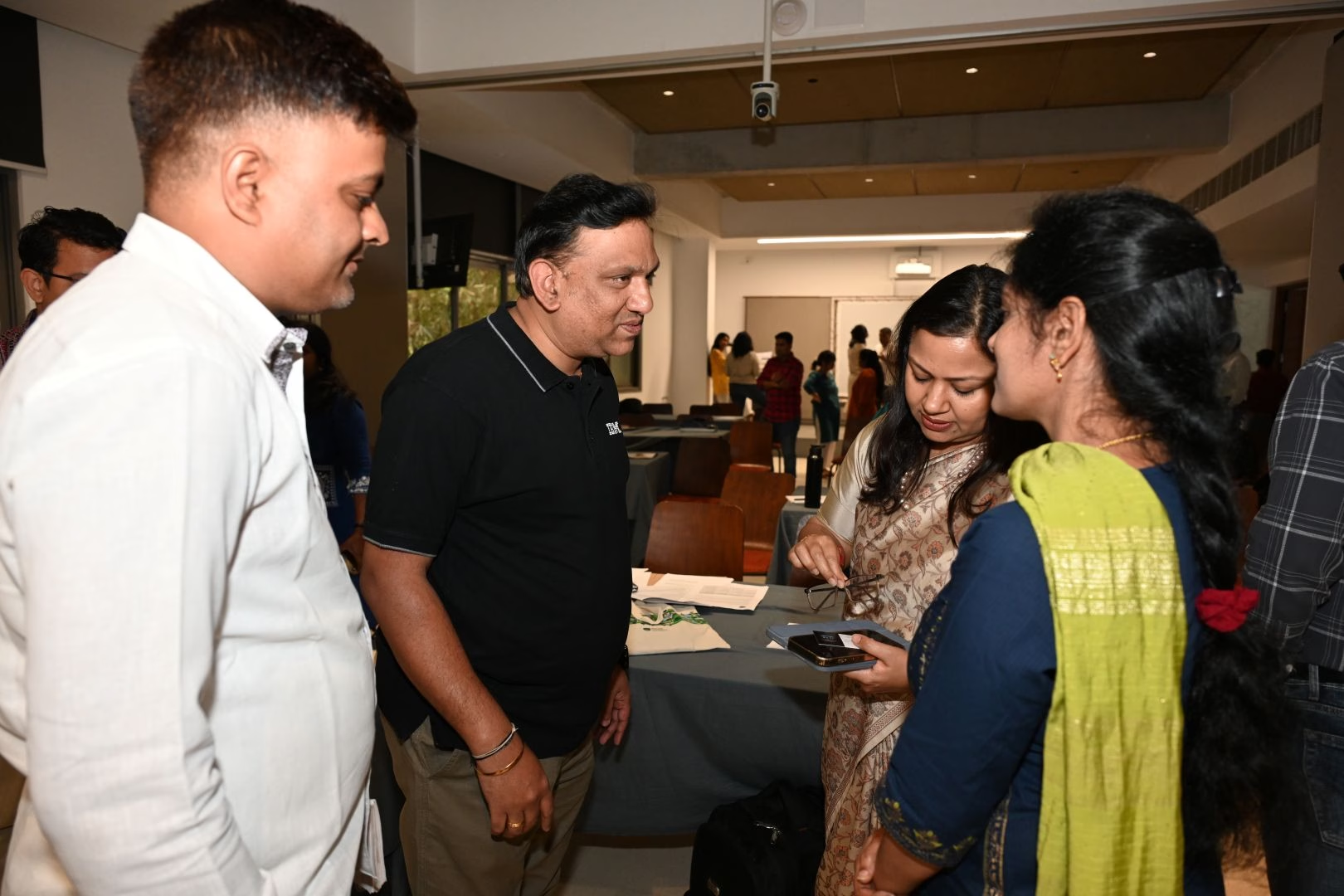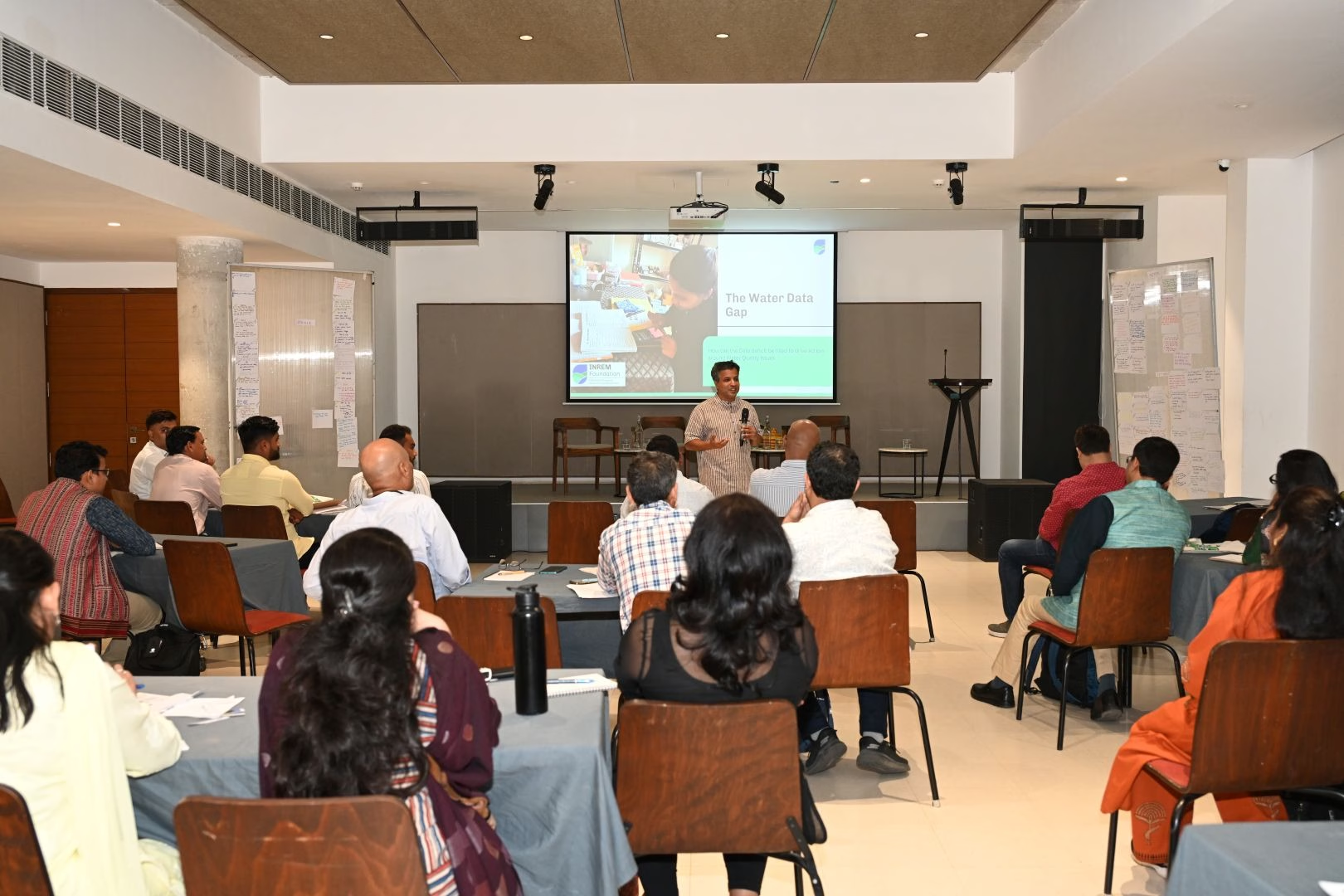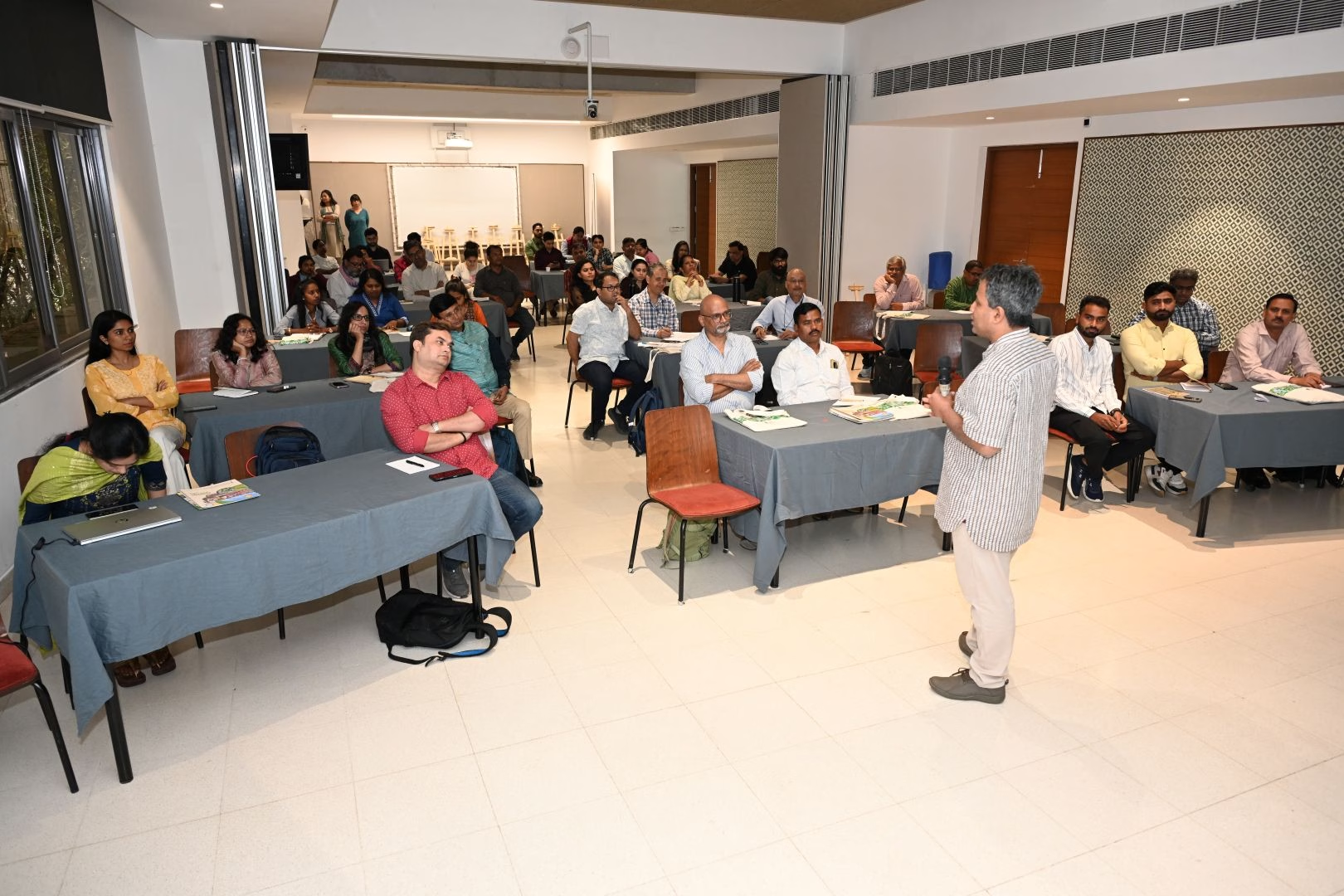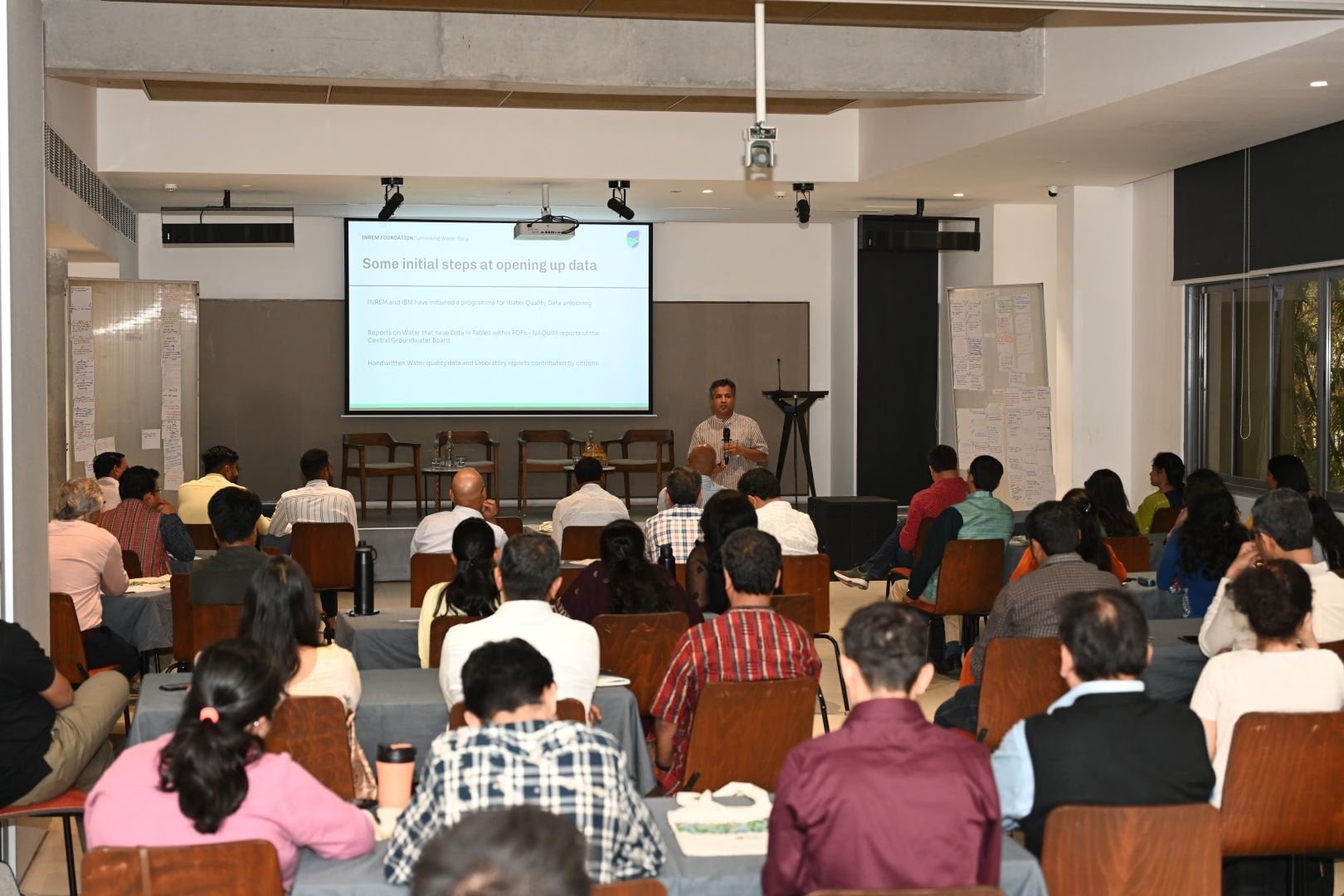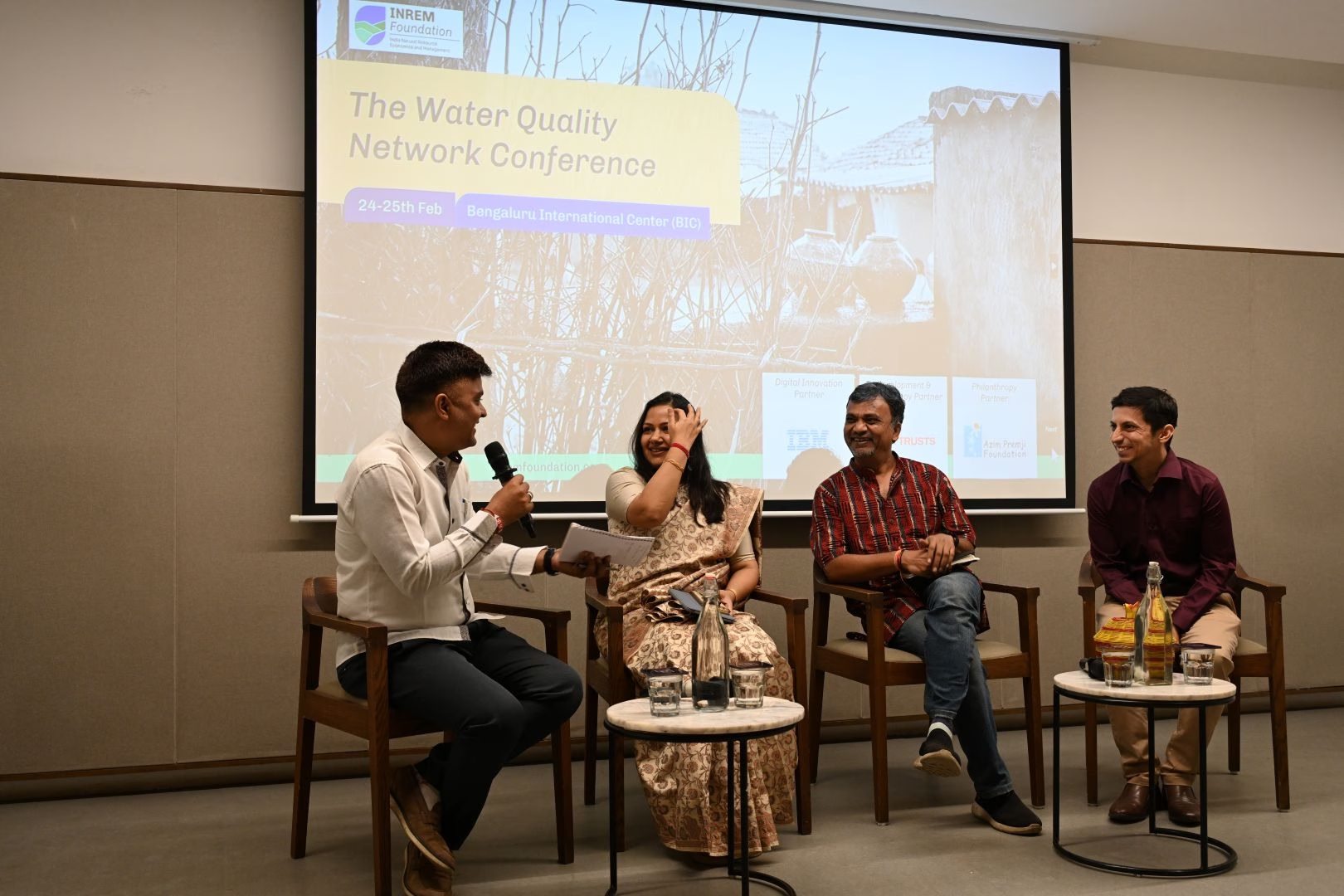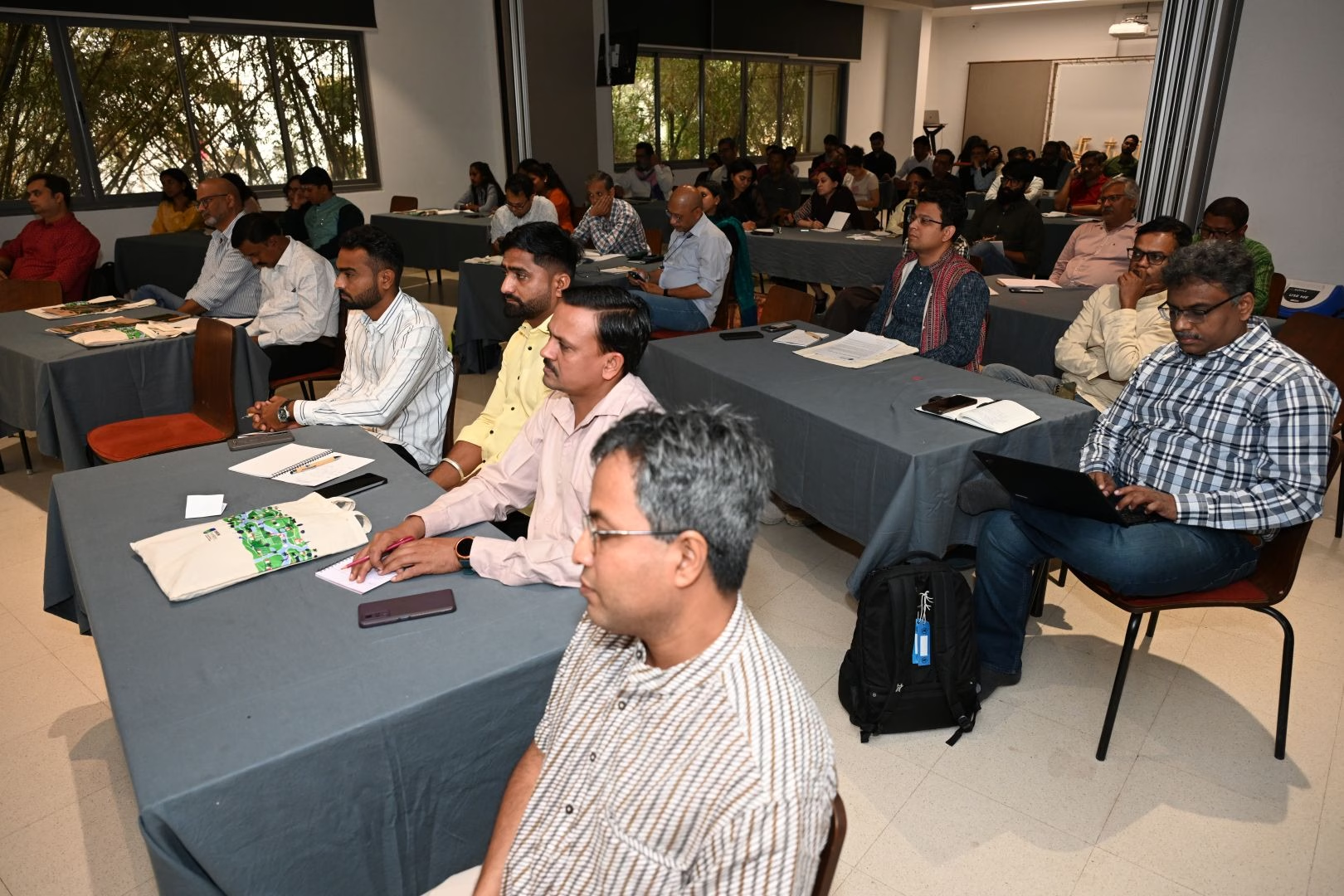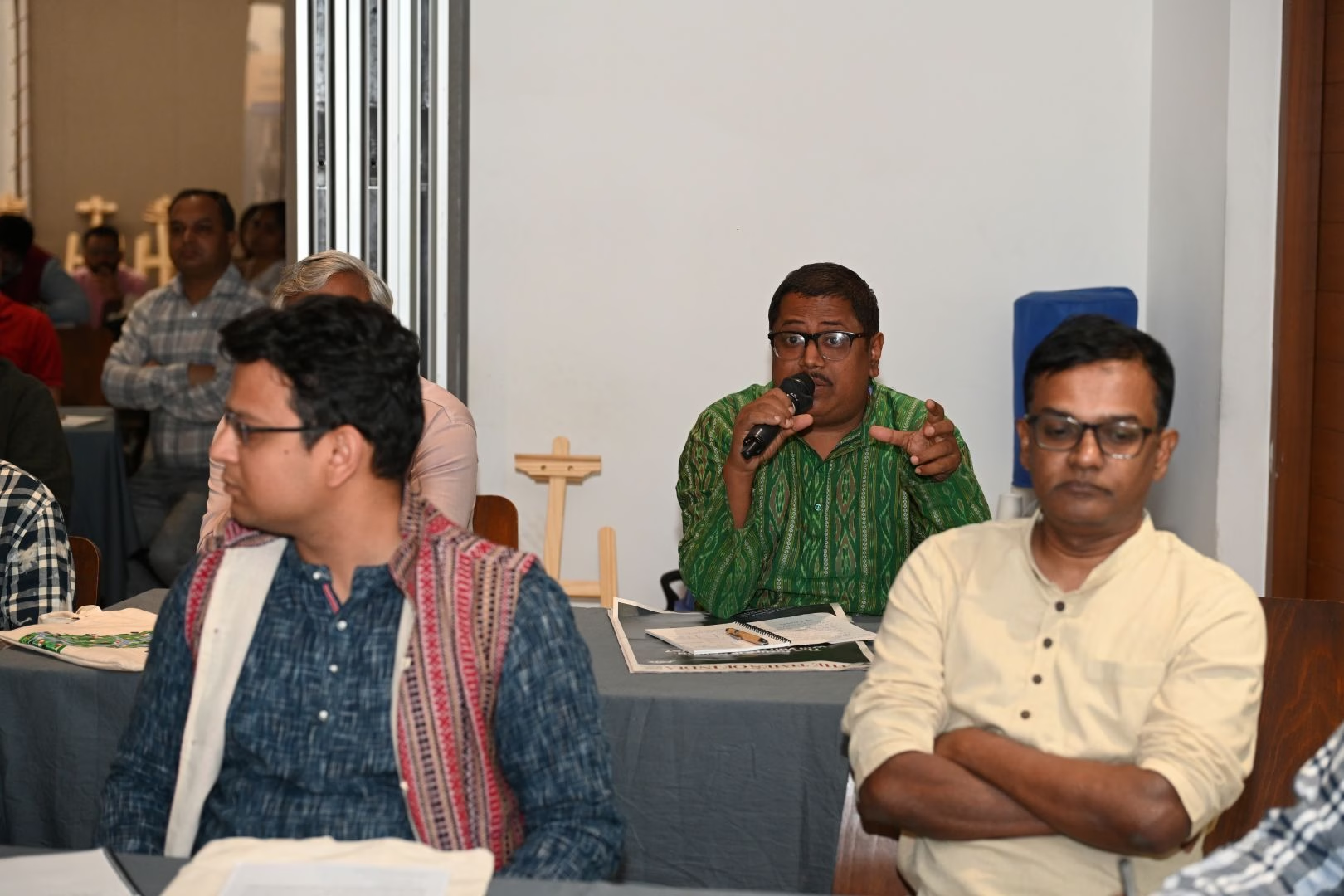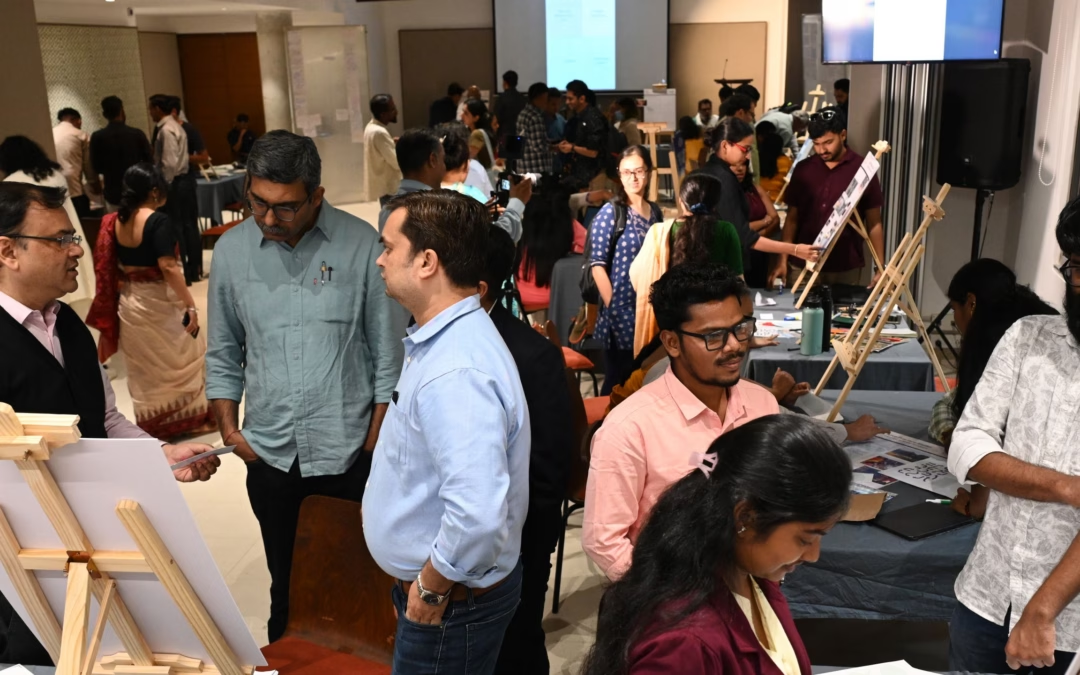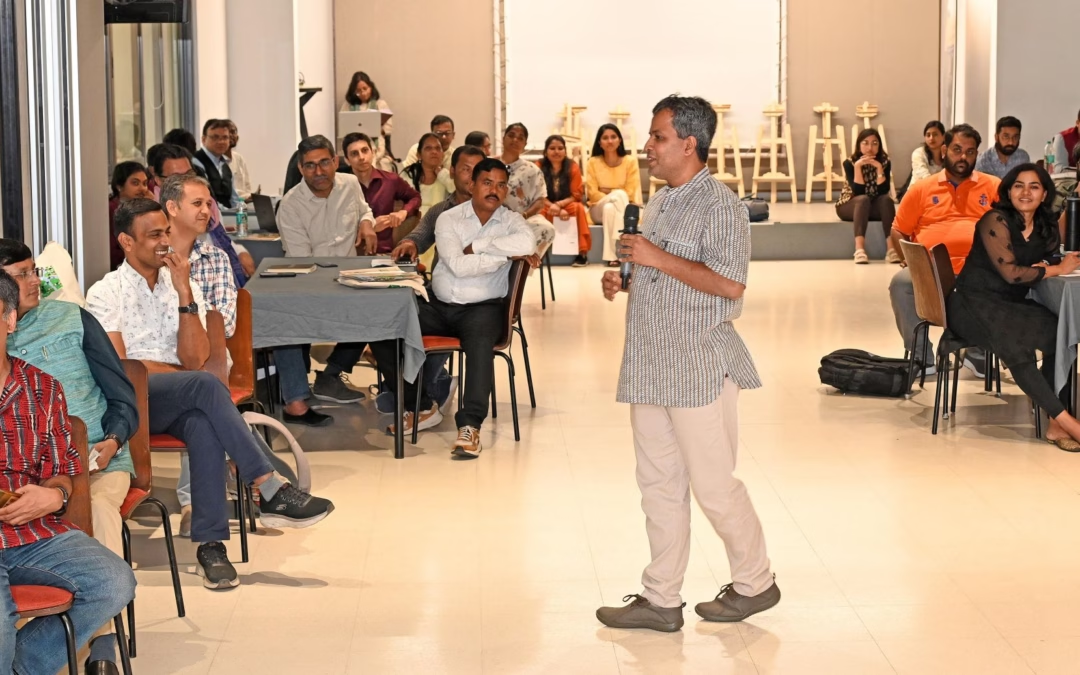
Session 3, Connecting the Drops, opened with a simple but powerful idea. Data may be the new oil, but if that is true, it may also suffer the same geopolitical fate as oil. The session asked whether the data boom will solve hard, wicked and complex system problems, or whether data systems will simply become another way of justifying control.
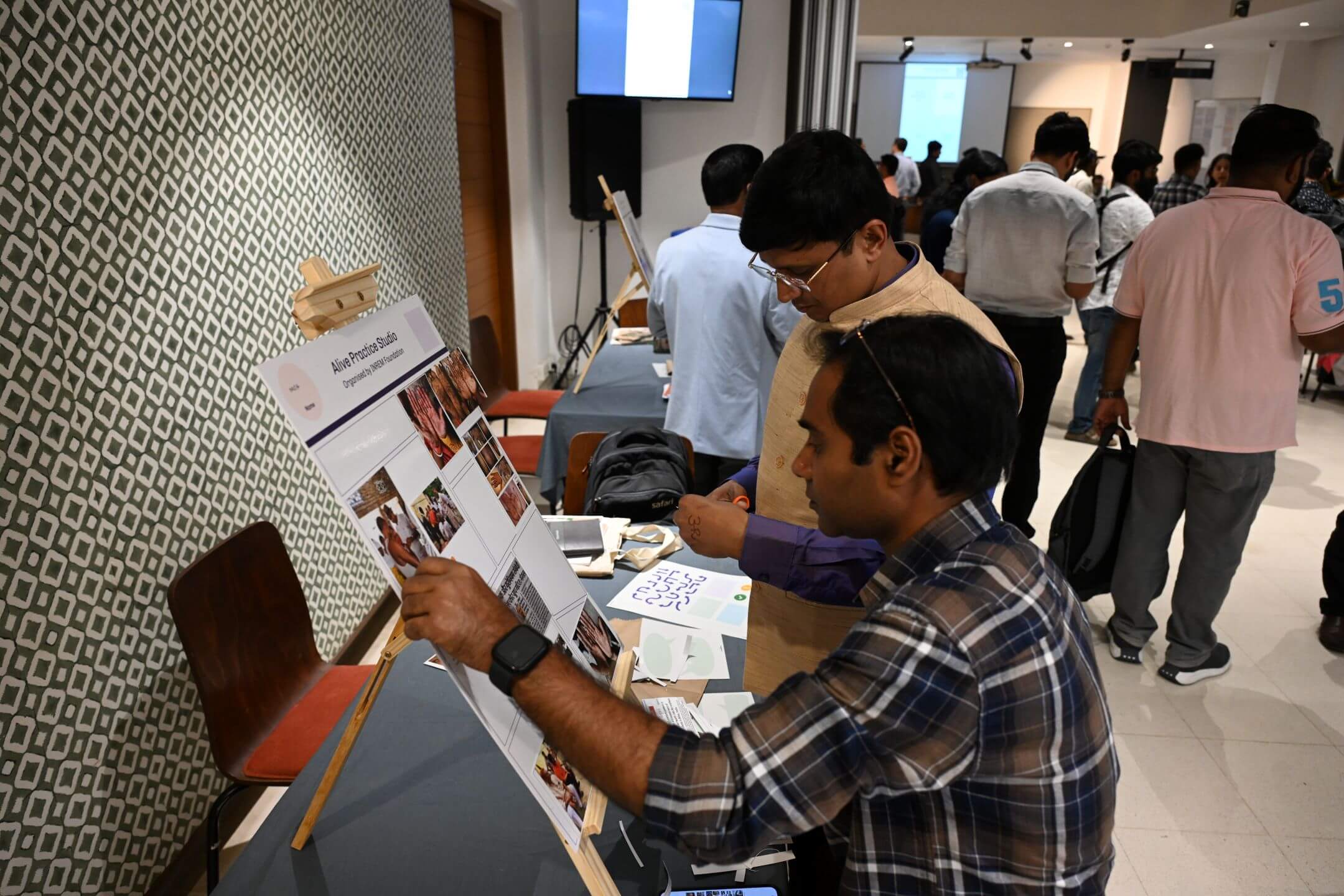
The report says that data is a political question. This became clear through a two hour exercise of becoming data, intelligence and users.
One of the most memorable lines from the session was, “I am rainfall data and no one even looked at me.” The report uses this to show that data is often treated as remote and mechanistic, even though humans and nature generate it. With that generation come emotions, and with emotions come human connections.
The simulation divided participants into three roles. Data sources generated raw information like laboratory reports, groundwater monitoring datasets and sensor readings. Intelligence layers transformed raw data into meaningful insights. Users were the people who needed information to make decisions, such as farmers, city planners and concerned citizens.
The game moved through multiple rounds. In the open interaction round, participants had no defined system, and raw data exchange did not lead to decisions. In the structured interaction round, the flow became User to Intelligence to Data Source, which improved coordination. In the limitation round, real world constraints such as equity, benefit to data contributors and sustainability were introduced.
The reflection was especially revealing. Two intelligence layers, Crop Safety and Village Water Safety, collaborated and merged their approaches. A participant playing the role of Data Analytics Business raised an important point about how water data is often expected to be free, even though building and sustaining such systems requires resources.
The report concludes that the challenge is rarely the absence of data. The challenge is how data moves, who can access it, and whether it returns to people as meaningful guidance for action.