Imagine we are a year from now in April 2027 and looking back at the year 2026-27.
Let us do a bit of time travel and take you on this imagined journey of the coming year. If you feel excited about it, here is your opportunity to be a part of it.
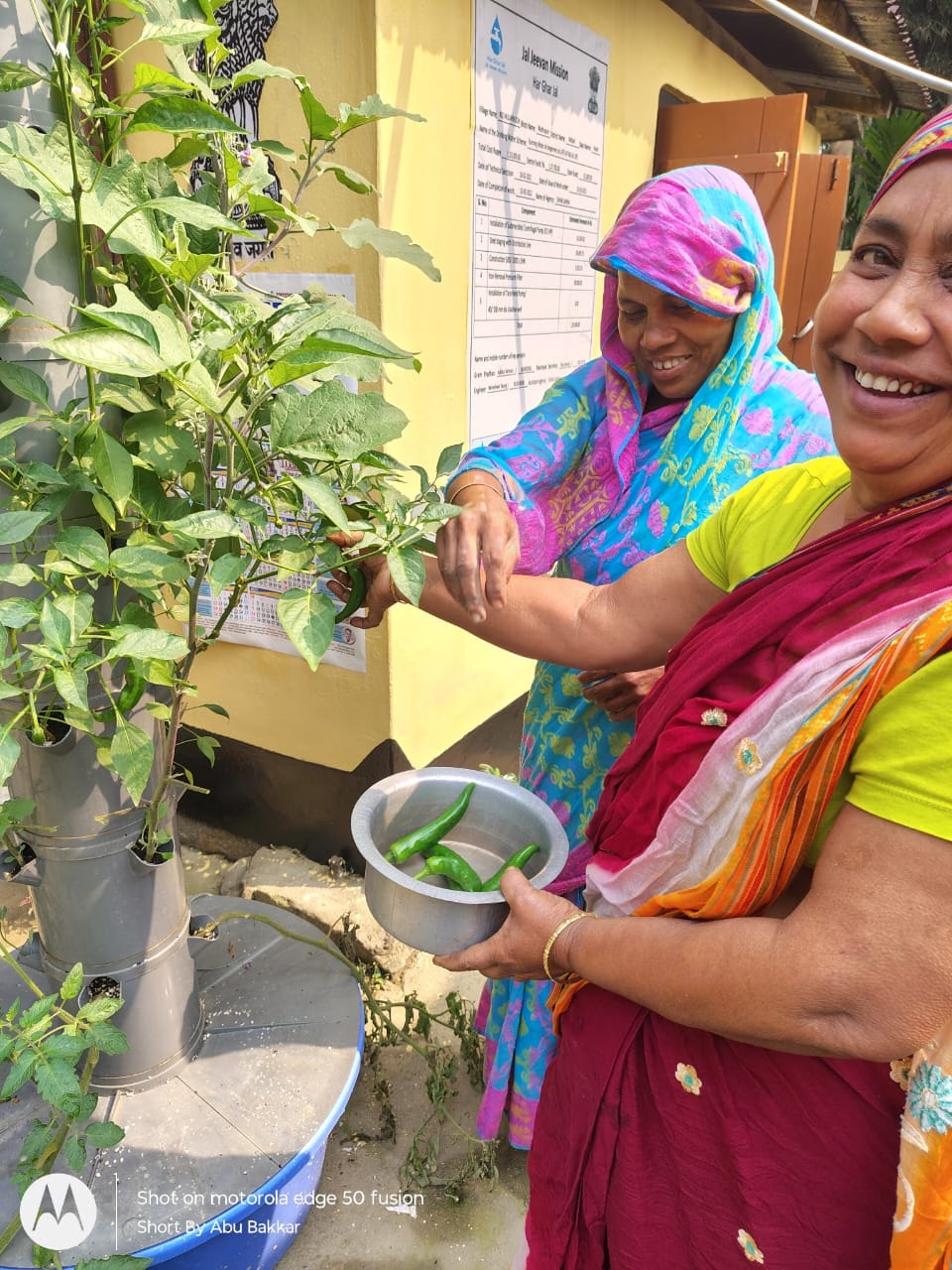
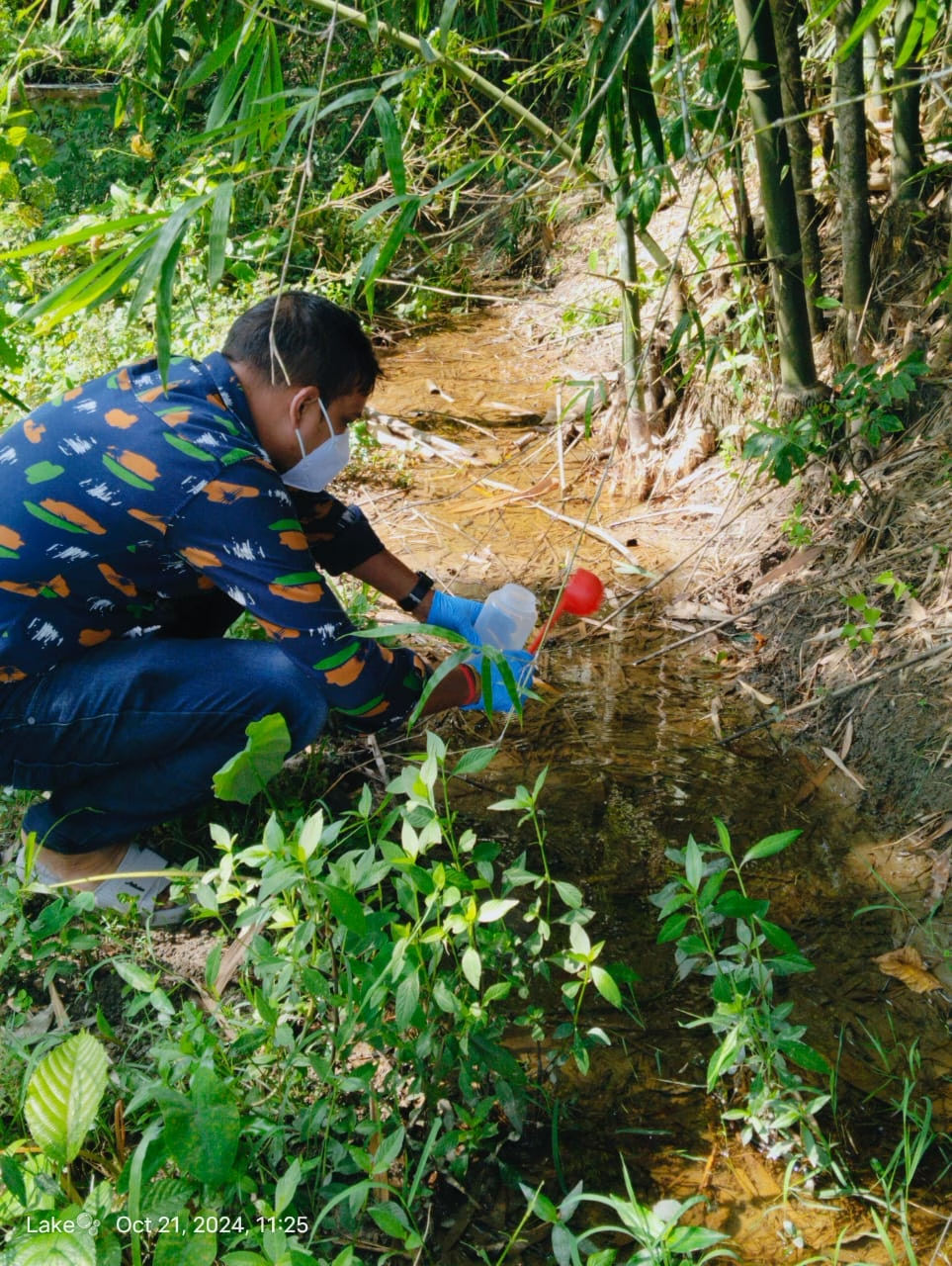
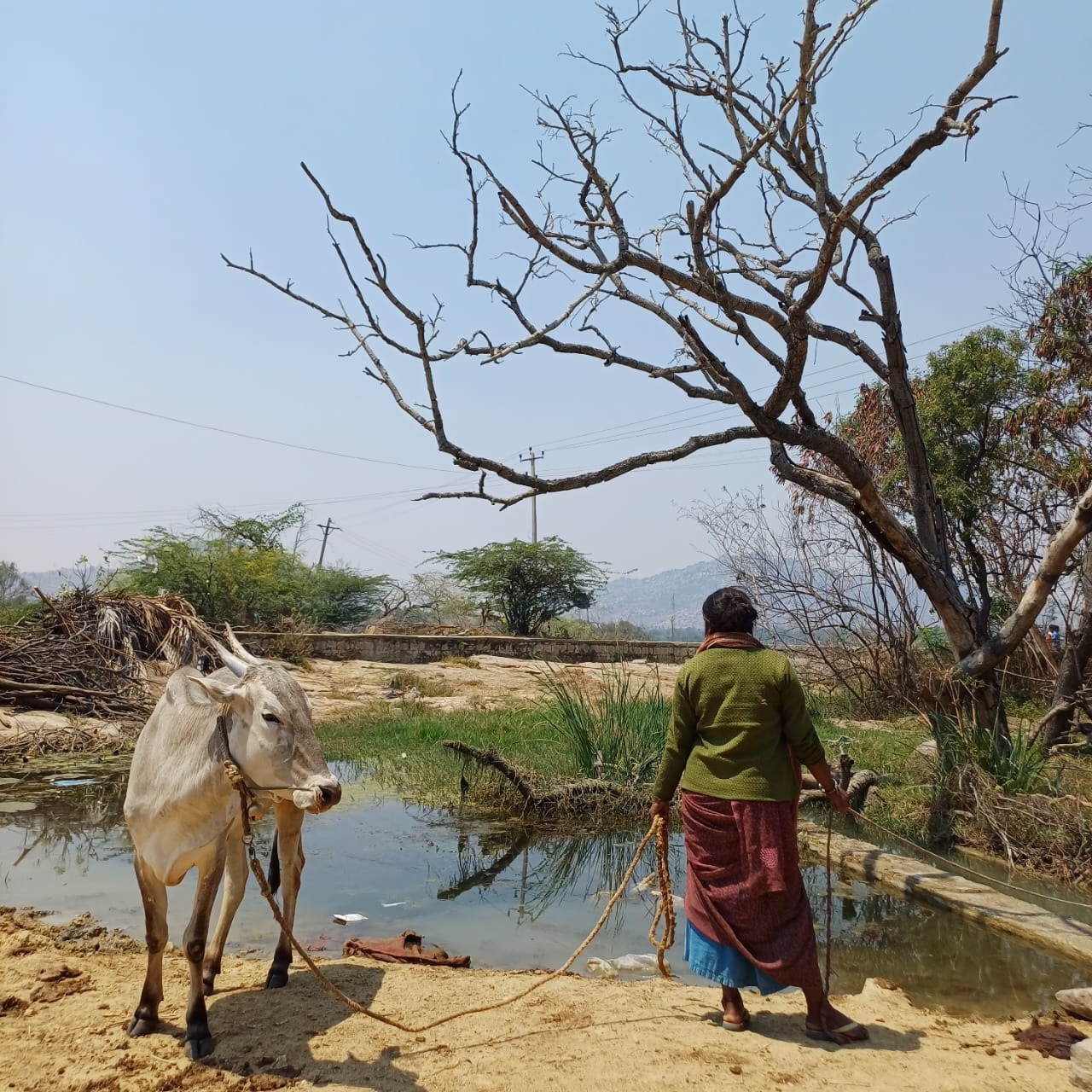
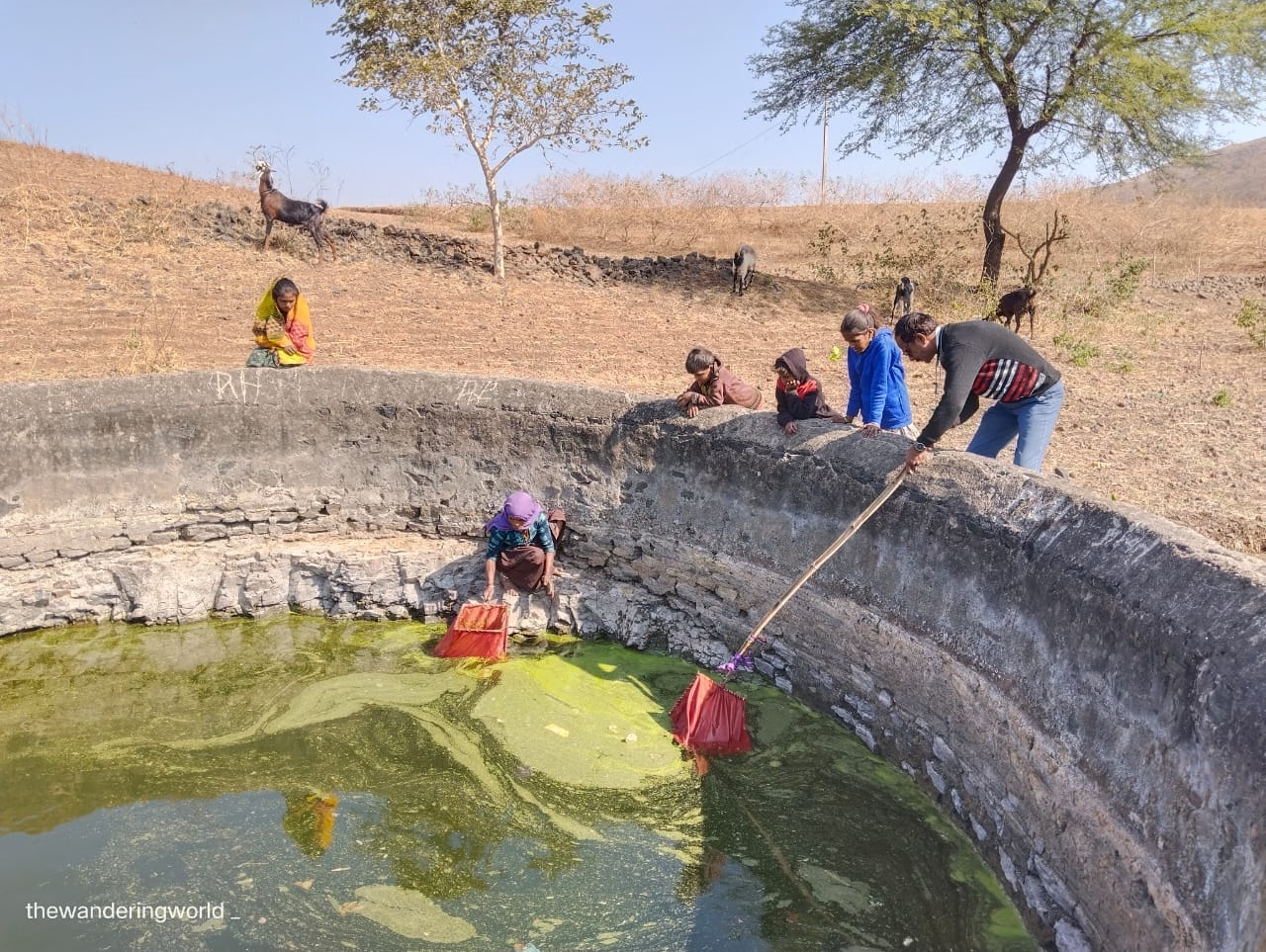
You remember well how we worked together with communities in Mayurbhanj (Odisha), Jhabua (Madhya Pradesh) and Buxar (Bihar), to ensure that the extreme health impacts of disability, cancer, and severe anaemic disorders from unsafe water are no longer a reality.
The child who is now able to go to school;
The man who now got up from the chair after 12 years;
The village that now carries a significantly lower cancer risk.
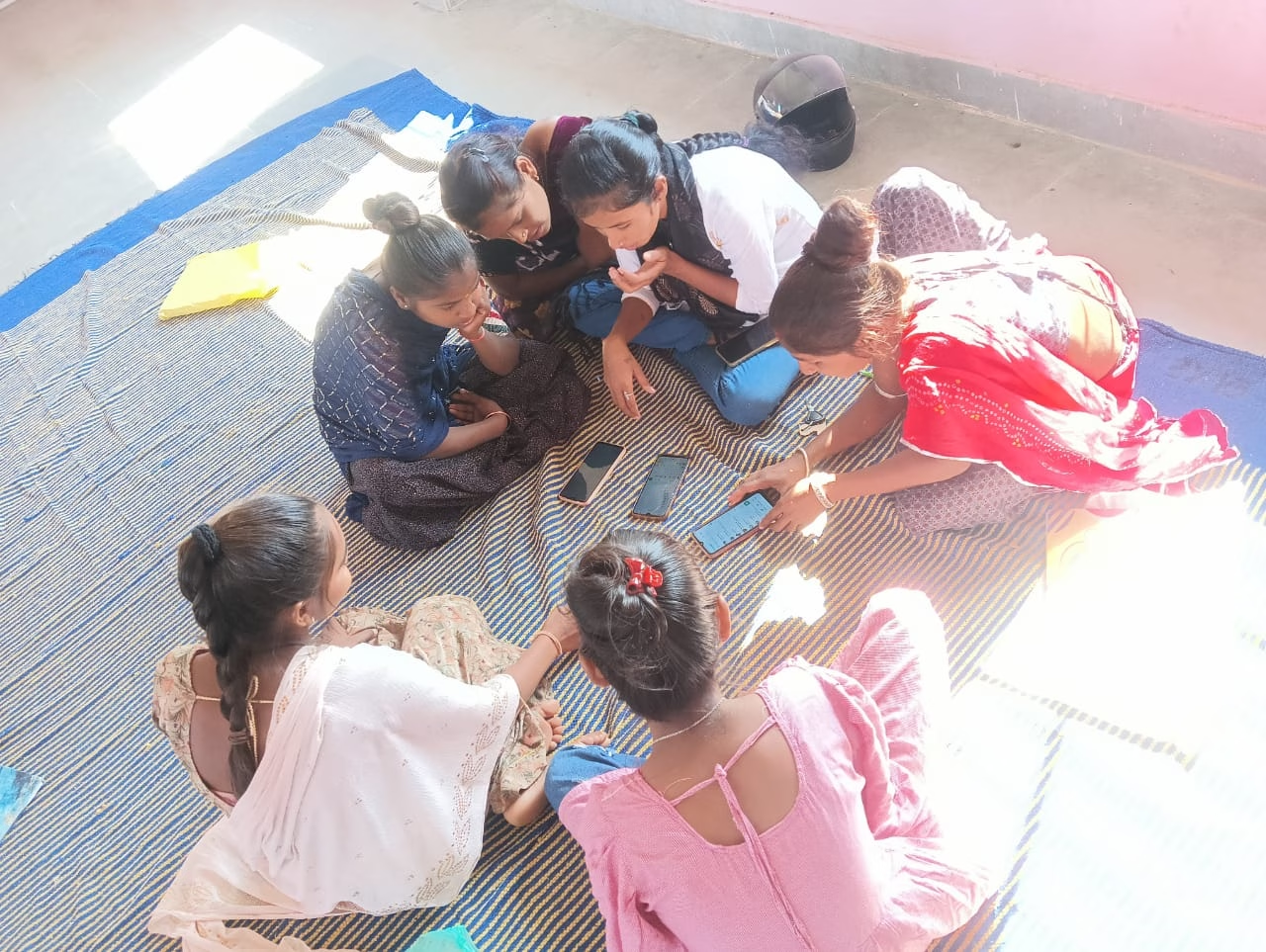
Together, we built community intelligence and foresight, enabling solutions that truly work and sustain through local leadership. The community infrastructure we built across eight states in India began serving broader needs, especially for those who are most vulnerable and traditionally excluded.
The Water-Safe Cities course happened. We had aimed for a cohort of 75, but we reached 200 participants across two cohorts. Through a mixed learning experience spanning 15 cities, people came together to reimagine what it means to make our cities water-safe.
From there, they went on to build local citizen communities and track pollution sources, conserve freshwater, plug pipeline leaks, and create green buffer zones. In doing so, they sparked a movement across urban India.
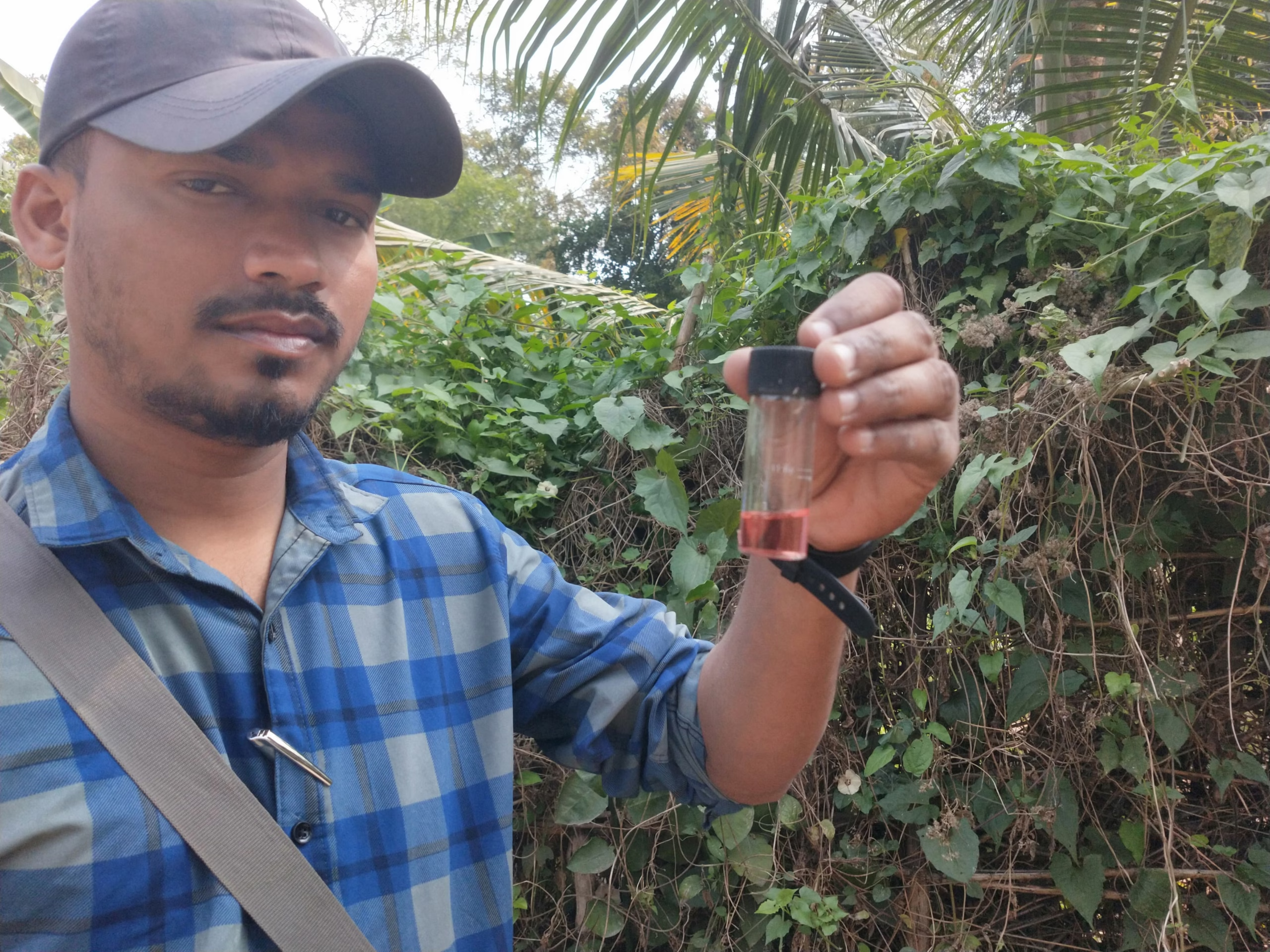
Food safety, too, evolved. Thanks to sustained campaigns and field evidence, it moved beyond conversations on “organic” and “natural farming” to include clean water and clean soil. It took time and persuasion. But when we connected water quality to food pricing, especially in global markets, the argument became undeniable. We are now exploring the next step: whether sustainability labels can build trust in safe food, and whether farmers can be fairly compensated for this added value.
The world called us, and we responded, thanks to you. As safe water became increasingly scarce due to climate change and conflict, we were invited to build capacities beyond India. Our Water Quality Management (WQM) course offered a strong starting point, but it needed to evolve. With your partnership, we redesigned and expanded, reaching countries across Africa, parts of Asia, and South America. This marked a humble but significant beginning in building global water citizenship.
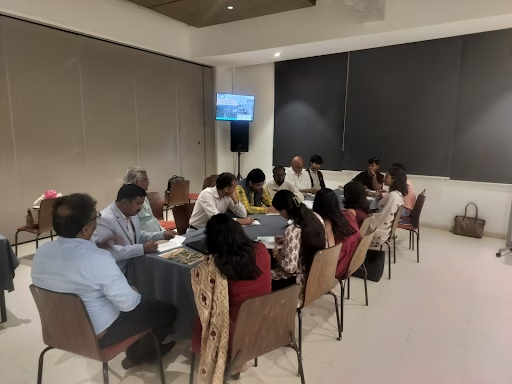
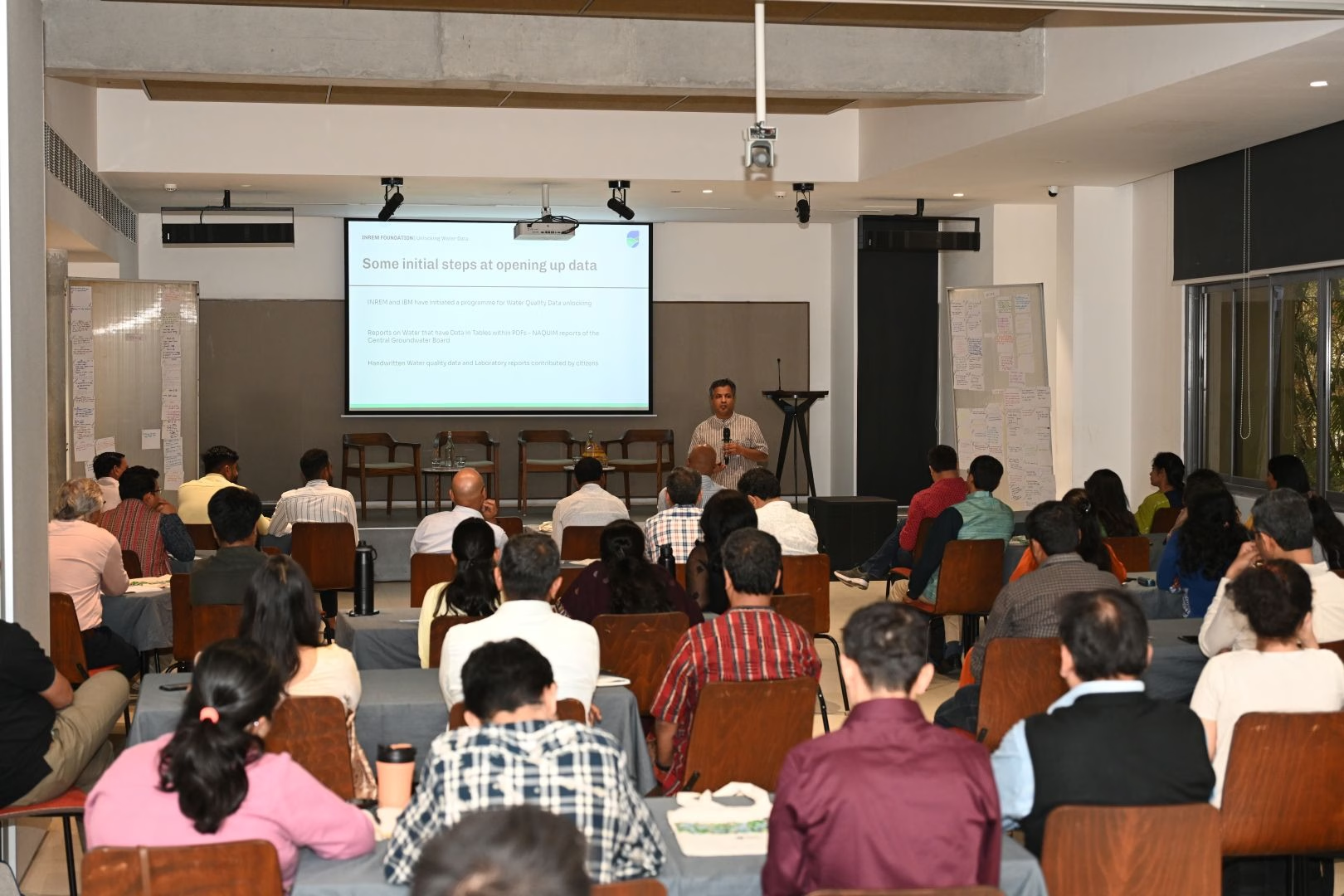
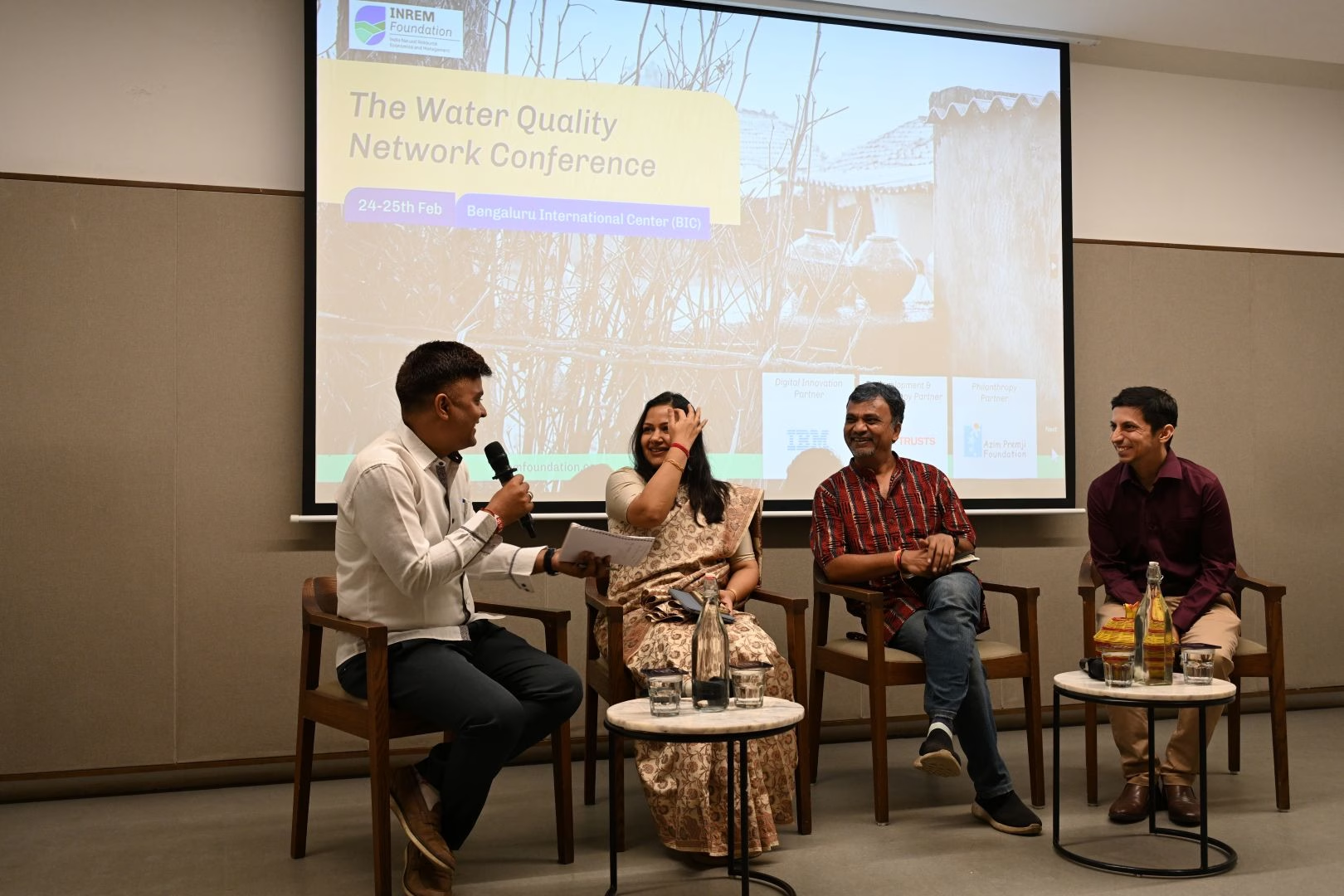
All this was supported by further investment in ‘relational architecture’ for the Water Quality Network, both with human relationships, and digital enablement.
Citizen science brought greater depth and meaning to water safety advisories, while digital learning pathways enabled richer, more diverse learning experiences and stronger collectives.
At the end of this last year, remembered in to the future, we cherished that moment, when the old woman, tears in her eyes, told us, “I never imagined that my grandchildren could live with a better dignity and respect. Thanks to everyone in my village community”.
It was a year well lived and worth all the efforts and challenges that we faced together.
We are sure you love this future.
Now, come join us to make it happen.